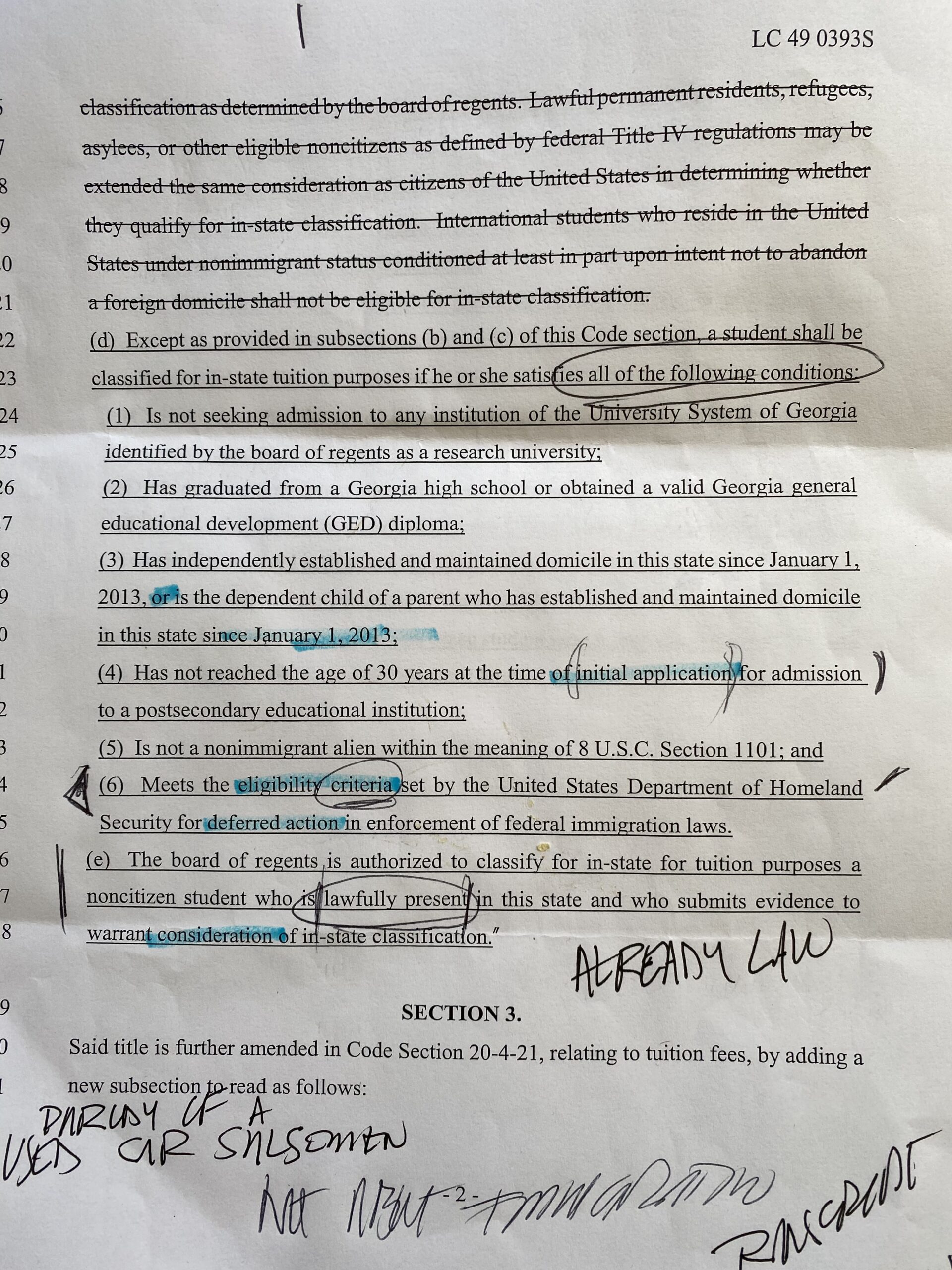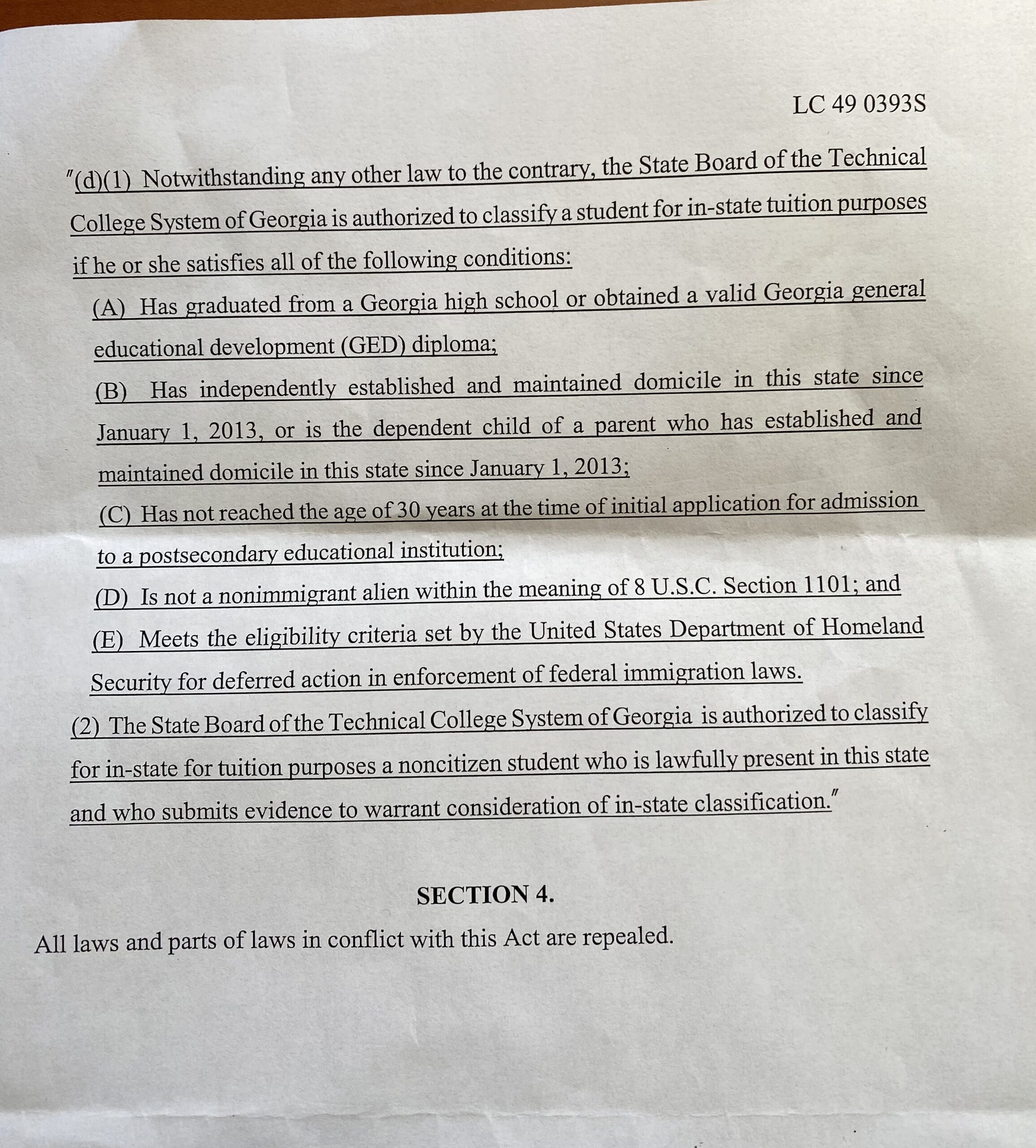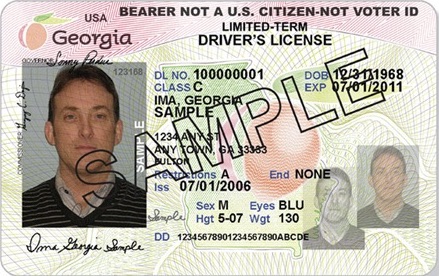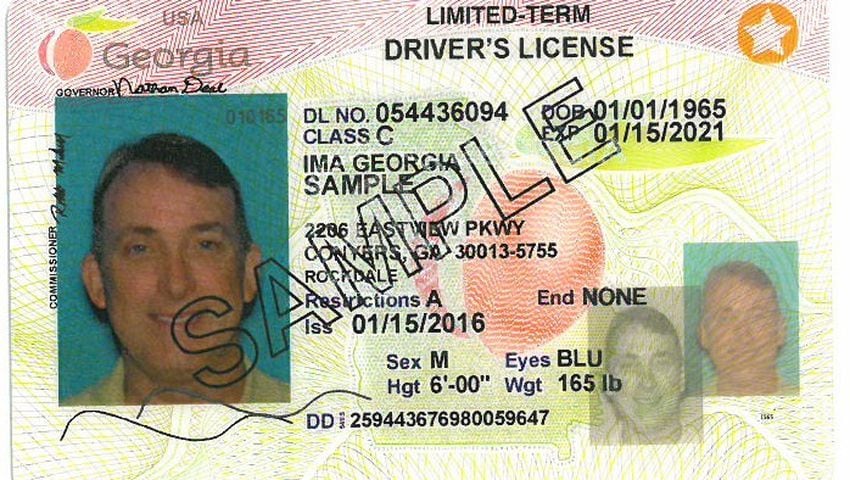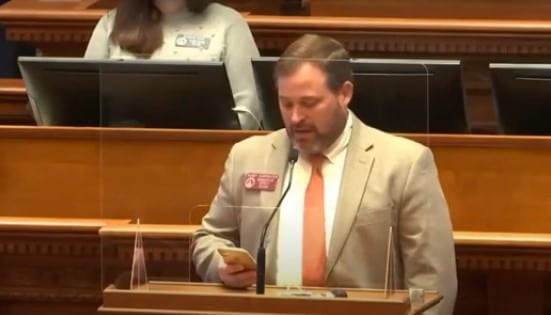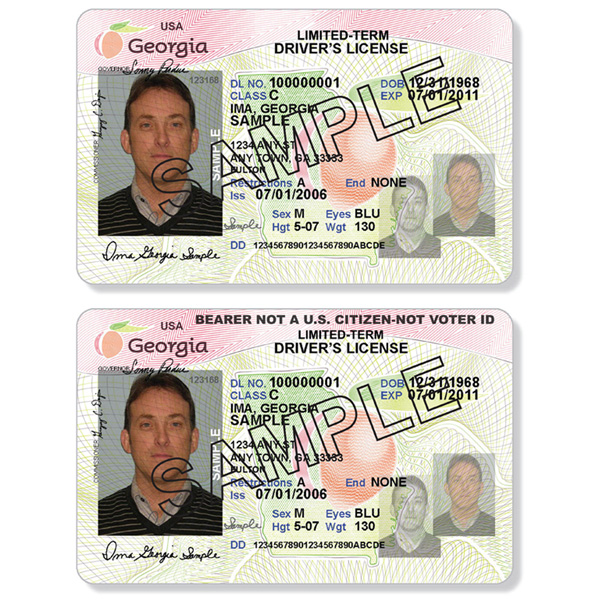
Bottom, proposed election integrity additions under HB228.
The below transcription from Rev.com is taken from the official archived video of the (House) Special Committee on Election Integrity hearing on HB 228, that began about 3:00 PM on Friday, Feb 26, 2021 in Room 506, CLOB at the Georgia Capitol. There were two bills considered in this meeting. Relevant video for HB 228 begins at about 56:55 on the video counter.
_______
Chairman Barry Fleming: (00:00)
Okay. Well we certainly do appreciate you coming over today. Anything you’d like to wrap up with before we-
President Pro Tem, Senator Butch Miller: (00:07)
I’d like to say, uh, thank you to the, to this committee for working on this very important issue. Really and truly I, I, I’ve not… I’ve didn’t not been one of these uh, Stop The Steal folks, you know, I’ve not been- but I’ve not been one of these everything’s perfect folks. Um, uh, I believe that we have some opportunity to regain the trust and confidence of the general public. And when the public loses trust and confidence in their elections, and then they lose trust and confidence in their monetary system. Then they lose trust and confidence in general and we find ourselves spiraling downward, and I think that the trust and confidence of our elections are paramount to a free society.
Chairman Barry Fleming: (00:57)
One of the strongest building blocks that it all rests upon.
Senator Butch Miller: (01:00)
I would agree. Thank you sir.
Chairman Barry Fleming: (01:01)
Thank you Senator, we appreciate you coming over today.
Senator Butch Miller: (01:03)
Thank you Mr Chairman, thank you-
Chairman Barry Fleming: (01:04)
May we, may, may we remain seated as you leave? Okay.
Senator Butch Miller: (01:06)
(laughs).
Chairman Barry Fleming: (01:06)
Okay.
Rep Chuck Martin: (01:06)
Well, I’ll escort the Senator out.
Chairman Barry Fleming: (01:09)
Okay.
Senator Butch Miller: (01:10)
I, I, I was being brief because it’s 3:35 on a Friday afternoon and I’m in sales, and no good salesman works on Friday afternoon.
Group: (01:16)
(laughs).
Chairman Barry Fleming: (01:17)
Okay, good enough. Take care. We’ll see ya.
Senator Butch Miller: (01:20)
Thank you.
Chairman Barry Fleming: (01:20)
Thank you Senator, we appreciate you coming over.
Chairman Barry Fleming: (01:22)
All right. Any, any comments before we wrap up this uh, this portion of the hearing today?
Chairman Barry Fleming: (01:29)
Okay, Mr Mueller, if you’re still online with us we appreciate you uh, being there today and… we appreciate you being here with us today and then you can be dismissed if you want to or you can hang around for what we’re gonna do next if you want to.
Senator Butch Miller: (01:46)
Thank you I’ll wrap it for today.
Chairman Barry Fleming: (01:48)
Thank you so much.
Chairman Barry Fleming: (01:50)
Originally, I did not anticipate us having a full committee hearing to day and I’d asked that a sub-committee hear a bill. But since we’re here as full committee I’m just gonna go ahead and pull that up. And uh, and instead of switching places and rearranging, uh, we’ll just hear House Bill 228, um, Representative Byrd? You wanna come forward to us and present House Bill 228?
Rep Charlice Byrd: (02:19)
Yes, thank you very much uh Mr Chairman and members of the committee. I agree you taking the time and look to listen to HB 228, which is about a driver’s license and an ID. The right to vote in a free and fair election is fundamental to our civil society. This sacred right cannot be taken for granted, nor can we afford for it to be eroded away for lack of confidence in our elections. We have an obligation to do everything possible to secure election security and integrity. An ID creates a high level of confidence. I offer a simple, common sense solution to add another degree of security to the actual voting process.
Rep Charlice Byrd: (03:09)
HB 228 has two goals. Currently there is nothing state law that prohibits driver’s license or an ID card issued to foreign nationals from being registered, being regarded as a proper identification at our polls when photo ID is presented. HB 228 contains language to amend the law. Many Georgians may be surprised to learn Georgia issues a driver’s, and official ID credential ID to non-citizens that are nearly identical to what many voters use as their official ID to vote.
Rep Charlice Byrd: (03:49)
And I have given a handout, I believe, of a driver’s license that looks just like this. This is our driver’s license. The only different in appearance from mine or the- (silence)
Rep Charlice Byrd: (04:04)
limited term. I also handed out another driver’s license that has limited term across the top, in capital letters. Under my bill, this ID would not legally be a proper ID in future elections, beginning with 2022 primary vote.
Rep Charlice Byrd: (04:26)
I’ve heard objections to this very popular concept that say non-citizens cannot register to vote, so there is no need for my concern of this loophole. I disagree, and point to the problems in the use of the Motor Voter registration system in other states recorded by the Associated Press, NPR and the Pew Center, which I also gave you articles that were printed.
Rep Charlice Byrd: (04:56)
Furthermore, there is nothing is state law that prohibits these non-citizens’ driver’s license or ID cards to be used as proper identification, or photo ID, for voting purposes. This obvious and needless loophole in Georgia law- (silence)
Rep Charlice Byrd: (05:19)
‘s to be fixed. Currently, the law states that proper identification for presentation to a poll worked when voting consists of a Georgia driver’s license, a valid Georgia voter ID or a valid ID issued by a branch, department, agency or entity of the State of Georgia, or any other state of the US authorized by law to issue personal identification, provided that such ID card contains a photograph of the elector. The all- the law also allows for acceptance of valid US passports, government employee iDs, a valid tribal ID containing a photograph of the elector, and a military ID. The law does not explicitly exclude the driver’s license or ID cards, the Department of Drivers Services issues to non-citizens of any description.
Rep Charlice Byrd: (06:22)
I want to add another degree of security to the actual voting process. My bill will change current law to require current law to require DDS to add the phrase “Bearer not a U.S. citizen. Not voter ID” which I also left on your desk, and it would be… oh anyway, it’s on the top, the words across there would be on that ID. Americans of all political leanings deserve to know that our elections were carried out with utmost integrity. That’s why I hope you will join me in support of HB 228 to ensure an election integrity, and restore trust at the ballot box for each of its residents.
Rep Charlice Byrd: (07:13)
You have a substitute on your desk.
Chairman Barry Fleming: (07:21)
I think that was one of my questions for you…
Rep Charlice Byrd: (07:22)
Yup.
Chairman Barry Fleming: (07:23)
… initially. Representative Byrd, you want us to work off that substitute?
Rep Charlice Byrd: (07:25)
Correct. It is LC412954S.
Chairman Barry Fleming: (07:30)
‘Kay we, we have that.
Rep Charlice Byrd: (07:31)
Okay.
Chairman Barry Fleming: (07:32)
It’s been passed out. Okay.
Rep Charlice Byrd: (07:32)
Thank you.
Chairman Barry Fleming: (07:33)
Let me, let me ask you uh questions…
Rep Charlice Byrd: (07:35)
Sure.
Chairman Barry Fleming: (07:35)
… about this. I’ve, I’ve tried to educate myself some on this but there’s a lot of questions I don’t know about the registration process and… I think we still have some Secretary of State folks here so I’m, y’all hang out I might ask y’all some questions too. But as I understand it it um, when one gets a driver’s license, if you are not a citizen, they don’t register you to vote at that point. And so if they don’t register you to vote, when you get your driver’s license if you’re a non-citizen, why are we concerned that someone would use that driver’s license then to be able to go vote?
Rep Charlice Byrd: (08:14)
Well, the dr- dr- Drivers Services does in fact, there are wording, there is wording on the bottom of the application for your driver’s license, and you can opt out, but at this point, the majority of people that work for DDS do not ask for anyone to opt out, and they just are registering people to vote.
Chairman Barry Fleming: (08:34)
And, and this may be um, part of the process I need to learn about and I’m trying to ask more questions about it.
Rep Charlice Byrd: (08:41)
Sure.
Chairman Barry Fleming: (08:41)
But other than that, I think you say a question about that on the bottom, there’s a question about whether or not you’re a citizen, and it, and it affects whether or not they register. Is that what you’re saying?
Rep Charlice Byrd: (08:52)
That is correct.
Chairman Barry Fleming: (08:53)
Okay so there’s, other than that, are you saying to your knowledge there’s no other check against other databases, like so Security Administration or anything like that, before they register you to vote?
Rep Charlice Byrd: (09:02)
I am going to ask the my expert witness to come up, um…
Chairman Barry Fleming: (09:06)
Well well we’ll we’ll we’ll we’ll get to the front…
Rep Charlice Byrd: (09:08)
Yeah. Sure.
Chairman Barry Fleming: (09:08)
But if if if you don’t know, that’s fine. Because I don’t know and I’m educating myself so.
Rep Charlice Byrd: (09:12)
Sure. It is my understanding that if you go get a driver’s license, you are, there is supposed to be a cross check reference sent um on… with a database. That’s my understanding.
Chairman Barry Fleming: (09:28)
So Security Administration is the one that I, I, I think they check with.
Rep Charlice Byrd: (09:31)
Correct.
Chairman Barry Fleming: (09:31)
Right.
Rep Charlice Byrd: (09:32)
That would be correct.
Chairman Barry Fleming: (09:33)
Right.
Rep Charlice Byrd: (09:33)
And then, but there’s also an opt out, which they are not asking people if they wanna opt out and so then they are getting registered to vote. And in fact, this summer, there were people that went um, door to door, um students knocking on doors and asking if they were registered to vote. They gave ’em their driver’s license and they just sent their forms on in. So how would you not know that they are actually a citizen or a non-citizen when they are knocking on doors to get you to register to vote?
Rep Charlice Byrd: (10:07)
And certainly, these articles that I have given to you: “Glitches in California”. And we are all human and we make mistakes. And I am not accusing anyone, anywhere that there was anything unethical or illegal done in our State of Georgia. But we are human and mistakes are made.
Chairman Barry Fleming: (10:26)
As as you, I know that you’re aware, um one bill that has passed this committee that is now pending for the house would switch us from a signature verification for example on absentee ballots, to checking that driver’s license number. So if non-citizenship were caught at the issuance of the driver’s license and so recorded in the system, then when a person either tried to vote in person, or they sent in an absentee ballot request with that driver’s license number they should be rejected as not being able to vote because they’re not registered. Would you agree?
Rep Charlice Byrd: (11:02)
I would agree with that, yes.
Chairman Barry Fleming: (11:04)
Okay, great, thank you. All right we do have some other questions. Is that Representative number four? Representative Martin, are you number four? I can’t remember.
Rep Martin: (11:10)
Mr Chairman, I think you covered my, my question. I just, I- I think the question I would have, and it may be wait, better to wait to uh, somebody from Secretary of States Office. I think one can try to register to vote, but they check the citizenship before the registration is completed. That was the question I was gonna ask, and, and I…
Chairman Barry Fleming: (11:30)
Same one I was asking.
Rep Martin: (11:31)
… I suspect Representative Byrd, might, we may need some help to get that answer.
Chairman Barry Fleming: (11:35)
Sure, well we’ll try.
Rep Martin: (11:36)
My understanding was just attempting to register to vote doesn’t mean you get to register to vote if you’re not otherwise qualified t- to vote.
Chairman Barry Fleming: (11:42)
So we’ll we’ll we’ll keep that query in mind as as we move through and um… I see Mr [Geveny 00:11:47] back there, I’m gonna ask him if he, if possible, can you hang around? ‘Cause we may bring you up and ask you some of those questions and if you don’t know the answer you can start texting right now and, and uh…
Rep Charlice Byrd: (11:57)
(laughs).
Chairman Barry Fleming: (11:57)
… as uh, I know you know the people that probably would, so, um. Um, any further questions for Representative Byrd before we go to the summon of our witnesses?
Chairman Barry Fleming: (12:07)
Don’t see any at this time. Thank you Representative. You just hang around, we’ll be…
Rep Charlice Byrd: (12:11)
Of course.
Chairman Barry Fleming: (12:12)
… might bring you back up for some of the questions. Um, do you have anybody you want us to call first after you?
Rep Charlice Byrd: (12:17)
I do, I would like to call uh, Mr King please.
Chairman Barry Fleming: (12:19)
All right, Mr King? You did sign up so come on up and introduce yourself, and uh we’d be happy to hear from you.
Mr King: (12:26)
Good morning, Chairman…
Chairman Barry Fleming: (12:27)
Good morning.
Mr King: (12:28)
… members of the committee-
Chairman Barry Fleming: (12:29)
Afternoon actually.
Mr King: (12:29)
(laughs).
Group: (12:29)
It’s been a long morning.
Group: (12:33)
It’s been a very long morning, that’s for sure.
Mr King: (12:35)
Please forgive me. One two. Good afternoon, Mr Chairman and members of the committee. Please forgive me. My name is D.A. King and I am President of the Dustin Inman Society. I’ve been coming down to this campus at my own expense for 17 years now. And I’ve spent considerable time trying to change the appearance of non-citizen driver’s licenses. I like to think that I have heard… every objection to doing exactly that but each time we’re down here I hear a new one. If I may, I’m not going to be long but I want to make it clear that I nearly tried to hook, uh, Senator Butch Miller here to do my presentation for me because of the eloquent way that he said that he’s neither on the Stop the Steal or everything is perfect side. I agree with that. And I hope that everybody thinks, as I do and apparently Senator Miller does, that we should do everything possible to make sure that we restore confidence… in our election system.
Mr King: (13:40)
Currently we have, as Representative Byrd has said, we have foreign nationals here in Georgia to whom we are issuing credentials, including driver’s licenses, permits and identification cards that are not much different that United States citizens. The goal here, a-, a-, a- again as representative Byrd said is to make some distinction so that nobody gets confused. So on the bill, inserting language into law that simply says, “A non-citizen’s credential is unacceptable as proper identification at the voting poll”, I, I, I view as a, a chicken soup at the minimum kind of thing. It’s certainly not going to hurt the process. I’m, I’m very curious about why it’s not already in law.
Mr King: (14:33)
And then again the second part of the bill, to mark the fact that the bearer is not a U.S. citizen seems to me to be a guaranteed way to make sure that anybody wouldn’t be confused at the poll. So the main argument has always been, as we just heard, why would we go to trouble to put things into law and make these changes if we’re going to run on the assumption that it is impossible for a non-citizen to ever be registered to vote. And I don’t think the- from experience, I don’t think the, the discussion should be about whether or not a non-citizen struggles to go, illegally register to vote, but whether or not the system in place accidentally, through human error or systemic error, registers somebody to vote who is not a US citizen.
Mr King: (15:26)
It’s not just me saying that, there’s a handout and it may have been duplicated, I didn’t know Representative Byrd was going to pass out but this is from NPR, and the sub-headline’s “Some non-citizens do wind up registered to vote, but usually not on purpose”. I have been in seminars myself in Washington where witness after witness would tell very descr- detailed stories about non-citizens being registered to vote with the Motor Voter program. This is an Associated Press story that I have handed out, with the same information. Um, I- I didn’t have the resources or the time to copy and print all of the online articles.
Mr King: (16:03)
I am here… asking that the committee pass to the floor Representative Byrd’s bill that simply says, if the system lets us down or if a non-citizen takes it upon themself to make the attempt successfully to register to vote, that we are [inaudible 00:16:23], that we are ahead of the game and we have in place… barriers to that, that registration resulting in an illegal vote. Um, an illegal vote or even an illegal registration i- i- is easily stopped and I, I, I can’t imagine a no vote on this. I’m sure I don’t know all the arguments, I, I, I… each day I hear another one.
Mr King: (16:47)
I want just to add something else. The people are going to bring up- I’ll do it very quickly Mr Chairman but, um I’ve been studying the Real ID Act for years and years and years, and a lot of people think somehow that Real ID would prevent a state from doing anything on their driver’s license. While I’m here, I would respectfully make it clear to all concerned that the Real ID Act passed after the horror of 9-11 in 2005, as far as driver’s licenses and ID cards go, merely says that a state can do whatever they want but if you want your ID to be accepted, your driver’s license to be federally accepted identification for things like boarding an aircra- airliner, uh entering a federal building or a military base, then you have to fulfill certain requirements. Beyond that you can have a driver’s license like the one I have in my pocket right now. It is not Real ID Act approved.
Mr King: (17:44)
After October 22nd, I believe, I cannot board an airliner with what I have in my pocket. Um, I was thinking about the irony of being here today, because to be here I had to cancel my DDS appointment to upgrade my driver’s license upon renewal. A birthday’s coming up. I’m very, very anxious to take some questions.
Chairman Barry Fleming: (18:03)
Well let me start by asking the one that we were discussing with Representative Byrd. Uh, and you may not know this but you might. I- is the assumption correct that if you are a non-citizens that when you go get your driver’s license you are not given the ability to register to vote?
Mr King: (18:19)
It, it is my understanding, and if DDS is in the room, I would much rather you heard it from them than me. But it is my understanding that there’s legislation in, in, in the general assembly right now to change Motor Voter from opt out to opt in. Mr Chairman i- i- if I’m mistaken on that, I, I’m quite willing to be corrected.
Chairman Barry Fleming: (18:39)
So I guess my question though goes to when, what’s- a person who’s a non-citizen goes to get a driver’s license, which we know there is, that’s what we allow them to do that, that’s legal, that’s not, that’s not a problem. But to your knowledge is there any check? Not what they’ve put on the form, but once they apply and put their information into the system, is there any cross check with any other system in the government to check to see they are indeed a citizen? And if they aren’t they’re not registered to vote?
Mr King: (19:07)
There is a system called SAVE. It’s called the Systematic Alien Verification for Entitlements program. S.A.V.E. Now that system will kick back information… I’m very glad you asked this ’cause this is a different matter. The SAVE system on its website clearly says that they will report to administrative agencies for public benefits, the immigration status of an applicant. This is very, very important, it’s a good question ’cause I would have forgotten this.
Mr King: (19:36)
Here is the, the, the deal on that if you will. SAVE, to repeat myself, SAVE says they will tell, they will report an answer to a query from administrating agency on immigration status. What they started doing years ago is reporting back employment authorization, which is completely different. We have a e-verify system for that. I have done many open records requests through legislators to DDS to ask ’em the exact code that comes back from SAVE for a driver’s license applicant. The last I heard, and according to the handbook I have from SAVE which was updated last August, the response is “employment authorized”. So if I am here as, for example, the Mercedes Benz executive, and I go get a driver’s license, state law says that that citiz- that applicant has to be run through the SAVE system, but getting back a response that says “employment authorized” or “temporary employment authorized” in no way answers the question that we sent in.
Chairman Barry Fleming: (20:40)
So y- your point is that through the SAVE system there is not a cross check sufficient.
Mr King: (20:44)
I, I, my point is yes sir, I, I, I guess. But what I’m saying is, SAVE is, is, is doing what everybody assumes is a cross check but they’re not answering the questions about immigration status. So we’re not going to know if that person is registered to vote or not.
Chairman Barry Fleming: (20:59)
Do- Do you know if there’s, through our Driver’s Services that there’s another cross check besides just to that system?
Mr King: (21:02)
I- I would rather DDS answered that, Chairman.
Chairman Barry Fleming: (21:04)
And th- and they are signed up and we have, like I said, a representative from Secretary of States Office that maybe able to comment on it as well. So we’ll, we’ll ask them that question. Um, Chairman Martin, did you have a question?
Rep Martin: (21:15)
Uh, yes I did. You, you all- since NPR had this, um folks we may have it here, we have a lot of paper in front of us but I understood, uh your [inaudible 00:21:25] is, NPR said that some people um, that were not citizens were registered to vote.
Mr King: (21:25)
Th- that is my testimony, yes.
Rep Martin: (21:25)
O- okay. Was that in Georgia? I’m… it didn’t have to be, I’m just asking.
Mr King: (21:37)
It was not, Mr Martin.
Rep Martin: (21:38)
Okay, th- that’s fine. But, you know, in theory following that… th- the assertion would be it could be, my question, and what I sincerely am looking for here, is if something breaks, if for some reason somebody has in um… improper documents, they’re not a citizen but they wish to pull something over on the system, if you will. They have fake documents that says they are. If they fool the system, and, and get registered to vote through DDS, they’re gonna get a license that says they’re a citizen. It’s gonna be fraudulent… but, but they’re gonna get a license that says they’re a citizen. So this bill wouldn’t impact them because the words that we would wanna put on there wouldn’t be there because the system would think they’re a citi- citizen because of the fraudulent doc- documents. Isn’t that true?
Mr King: (22:27)
I, I, I wanna say that that’s probably true, um State Representative. And I’m also going to say that I’m not standing here purporting to have knowledge of a foolproof way to prevent 100% of the problem.
Rep Martin: (22:39)
No no, I understand. But what, what I’m getting at is if with this license, i- i- if we were to do that. If we were to that, if when they, um, when somebody went to get a driver’s license and they said they’re not, they’re not a citizen at the time, and so on that driver’s license they put these words. But they went to vote, you know, two years later with that driver’s license, and in that time they had become a naturalized citizen, they could vote. Now I guess my, my question to you i- is do you realize the driver’s license is not what allows you to vote. You do know that, correct?
Mr King: (23:17)
I do yes sir.
Rep Martin: (23:18)
Okay, the driver’s license just proves that that document, that number matches the individual holding it. And so regardless of what that says, at the time they present to vote is it not true that they are again checked, against registration, to find out if they’re a registered voter, and if they’re not a citizen they shouldn’t be a registered voter.
Mr King: (23:44)
I, I, I agree again, State Representative. And I respectfully, very respectfully um, go along with… one of the last words in your sentence was “should”. We are here trying to prevent, at least I am, what, what may happen.
Rep Martin: (24:00)
But uh, uh, I understand. But d- do you understand that you can’t turn someone away based on what that driver’s license says.
Mr King: (24:08)
I, yes sir, and again. If I may continue, that’s one of the reasons I am here because there’s no state law that says a non-citizen driver’s license is unacceptable [crosstalk 00:24:19].
Rep Martin: (24:18)
It doe- it doesn’t matter if- Is it not true, it doesn’t matter what we print on that driver’s license, if an individual presents it, it could say anything, and if they said they were a citizen, demanded to vote they get to uh, cast a provisional ballot and that’ll be chased at a later date. Isn’t that true?
Mr King: (24:42)
I, I, I imagine that is true, I’m not sure. And again [crosstalk 00:24:46] I’m not sure it has anything to do with what we’re talking about.
Rep Martin: (24:48)
I, I’m trying…
Rep Martin: (24:48)
Well it ha- respectfully it has everything to do with what we’re talking about because I’m trying to understand how printing those words on the driver’s license, impacts their ability to vote. It might make you feel good, you know, but they, tho- tho- those words being on that document, doesn’t make them able to vote or take that away. They could not have those words on the driver’s license. In fact they don’t now. They have another uh mark on the driver’s license that denotes that. And yet when they present that to vote, my understanding is, that is still checked against the voters’ database to ensure they’re a legal, registered voter. And if they are a legal, registered voter they get to cast a ballot. Notwithstanding whatever they put on a dri- I mean you could fake driver’s license and walk up and try to vote, but if you’re not registered to vote you can’t vote. Isn’t that correct?
Mr King: (25:46)
That is correct.
Rep Martin: (25:47)
Okay.
Mr King: (25:49)
B- b- may- may I expand on why that is correct answer, State Representative?
Rep Martin: (25:53)
Sure.
Mr King: (25:53)
Thank you. Um, when I went to vote in 2016 for example, the very nice poll worker, elderly, older than me, asked me for my photo ID. Like everybody else, I gave her my driver’s license and when she gave it back, I very politely and calmly asked her, “Would you have accepted this if it said Limited Term’ on top?” And she very cordially, and immediately, said “Yes, we take all Georgia driver’s licenses.” And she could tell by, apparently my, the curious look on my face, and she called over her supervisor, to whom I presented the exact same question. The supervisor said yes, we take all driver’s license. Neither of them had ever heard of limited term. I live in Cobb County, I have since heard from, uh I forget the proper title, the Head of Cobb County Elections, who explained to me they don’t teach that to people because it doesn’t come up very often.
Mr King: (26:42)
My entire presentation has been, that it is not impossible for people who are not United States citizens to get registered to vote. And then I think, as do a lot of other people, that if we change the law saying that the limited term driver’s license is not only, by law, currently acceptable ID, but mark it as, as not a citizen, I don’t see the hole in that.
Rep Martin: (27:06)
Definitely. An- an- and if I may, Mr Chairman, I don’t wanna get into a debate or anything but you, you made my point exactly. If they got registered to vote, they had some document that proved they were a citizen, fraudulent or not…
Mr King: (27:20)
I… m- maybe, I could have, I wish now that I had filled, printed out more than just the Associated Press and NPR because [inaudible 00:27:29] Literally tens and twenties of other news agencies, sorry, have, have articles like this so. I, I, I, I enjoy the conversation and I’m respectfully trying to answer it [crosstalk 00:27:42].
Chairman Barry Fleming: (27:41)
Let me ask the question. Mr King, let me ask the question this way.
Mr King: (27:45)
Yes sir.
Chairman Barry Fleming: (27:45)
If Bob Smith is registered to vote, and he presents a driver’s license with his picture on it that has this language on the top, “Bearer not a U.S. citizen. Not voter ID” but yet he is registered to vote, and he hands that to the election officials, will he be allowed to vote?
Mr King: (28:04)
I, I… it’s…
Chairman Barry Fleming: (28:06)
The answer is that, Mr Mar-
Mr King: (28:08)
… it’s a situation I can’t answer that.
Chairman Barry Fleming: (28:09)
Well the answer that Mr Martin was going to is yes he would be able to. Because it’s not the driver’s license that allows you to vote, the driver’s license picture simply is a way to check if you are, the picture’s the same as the person standing in front of them.
Mr King: (28:22)
I… I
Rep Martin: (28:24)
That’s, that’s…
Chairman Barry Fleming: (28:25)
That was the point that you were making.
Mr King: (28:27)
I’m sure that it’s me, Mr Chairman, I’m only [inaudible 00:28:28] clear of the question…
Chairman Barry Fleming: (28:29)
Sure.
Mr King: (28:29)
No offense-
Chairman Barry Fleming: (28:30)
We’re gonna go to Representative Byrd now.
Rep Burnough: (28:32)
Uh, thank you Mr Chairman. Um, thank you for bringing this information. Um, I think you said this is your first time getting somebody to um, carry a bill? For you? On um, the um, to be able to put this information on there that um people that aren’t citizens can’t vote? Is that right?
Mr King: (28:56)
I, I’ve been involved in multiple legisl- uh measures that would address the language on driver’s licenses. So I’m not sure how to answer your question. For anybody ah… I’m happy to have helped State Representative Charlice Byrd with her bill. This is the first time I have seen a bill that says “Limited Term” and add the language “Bearer not U.S. citizen – not voter ID”.
Rep Burnough: (29:25)
Okay. Is it true that you have said that immigrants are here to blow up buildings and kill your children?
Mr King: (29:30)
(laughing).
Rep Burnough: (29:31)
And you and me?
Mr King: (29:32)
No ma’am, it’s not.
Rep Burnough: (29:33)
Okay is it true that you said…
Mr King: (29:35)
Wait a minute, wait a minute, wait, wait, wait. Mr Chairman, may I, may I answer the questions one at a time?
Chairman Barry Fleming: (29:38)
Go ahead.
Mr King: (29:39)
Madam, you have just used a point from the Southern Poverty Law Center. The Southern Poverty Law Center makes great amount of money trying to blur the line between immigrant, like my adopted sister and people on my board, and people who are here illegally, the proper name being illegal alien. In my whole life I have never said that either one of them are here to blow up your buildings. And kill you and me. What I did say, documented by multiple journalists at a presentation in Covington, Georgia to a GOP group, was that I have, I know because I’ve been to the border, that people from countries with known ter- uh, from know ter- with known terrorist ties do come over our border illegally, and I have personally seen them arrested. What I said was, terrorists are here to blow up your buildings. It wasn’t immigrants.
Rep Burnough: (30:28)
Okay. Well um, that’s fine. But I s- still have my own question about that, because when you start putting um, “Bearer not a U.S. citizen – not voter ID” and at the rate we’re going to pushing back my voting rights and suppressing the vote, the next th- We just celebrated the hundred year of women’s suffrage movement when women finally got the vote. So what this tells me is next, who knows what you’re gonna want to put on a driver’s license. Because if we’re gonna start “Bearer not a U.S. citizen – not voter ID” and we’re gonna put it in bold, bold letters like it is here, then who’s the next group that’s gonna be targeted? Thank you.
Mr King: (31:07)
Is that a question?
Chairman Barry Fleming: (31:09)
Sounded like a statement. Mm-hmm (affirmative). ‘Kay. Thank you Mr King. We appreciate you being here today.
Mr King: (31:14)
Oh, I’m disappointed that I don’t have more questions. I am very grateful for the time Mr Chairman.
Chairman Barry Fleming: (31:18)
Hold a second. Chairman [Semara 00:31:19] does have a question for you.
Rep Calvin Smyre: (31:23)
No, I’m gonna pass. I, I, I just…
Chairman Barry Fleming: (31:25)
Okay.
Rep Calvin Smyre: (31:26)
Some of the things tha- (silence)
Rep Calvin Smyre: (31:35)
you may have been alleged to have said, in, in various subject matters. And um, I’ll just say this. It disturbs me.
Mr King: (31:47)
You’re one of my favorite legislators, State Representative. If you have a question for me about anything having to do with me or my reputation, I’m happy to take it.
Rep Calvin Smyre: (31:56)
Thank you sir.
Chairman Barry Fleming: (31:57)
All right, thank you Mr King. Okay, um Mr [Germany 00:32:00]. Uh, I know that uh we have someone from Driver Services on, and I know that a, a question has repeated several times. Would you like for us to go to them first, or can you comment on the question-
Chairman Fleming (00:01)
[inaudible 00:00:01].
Mr. Germany: (00:02)
I believe I can comment-
Chairman Fleming (00:03)
Okay.
Mr. Germany: (00:04)
As the chairman and then, uh, if I say anything wrong with, the DDS can correct me.
Chairman Fleming (00:09)
Okay. Go ahead.
Mr. Germany: (00:11)
So I wanted to just provide a little background for the committee on how citizenship check works, uh, in Georgia, as it relates to voter registration. Um, we have a citizenship check requirement in Georgia, um, that does not occur at the photo ID stage when you show up to vote. That, that is for confirming that you are who you say you are. When you register to vote, that’s when, that’s when your citizenship is checked and it, and it’s checked in two different ways. One, uh, the vast majority of people, uh, who registered probably in the, in the 90s percentile, um, register when they’re, when they’re physically at department of driver services.
Mr. Germany: (00:56)
Um, we do have an opt-in system, uh, as the previous speakers, uh, were, uh, you’re automatically opted in unless you opt out. But if you are, if you are not a citizen, then you are not even given the opportunity to opt in or opt out. Uh, DDS, uh, knows whether or not you’re a citizen of Georgia. Um, since 2012, I believe has only issued real IDs for driver’s license or state ID. Um, and so what that requires as some of you may remember when you have to go DDS, it requires documentary proof of either citizenship, um, which is anything that’s requiring register to vote or documentary proof of legal status.
Mr. Germany: (01:37)
Um, so that’s what’s required at DDS and if you, so if you’re not a citizen, you know, they know that you are here of illegal status and they know you’re not a citizen, and you’re not even given the opportunity to opt in or opt out. You just automatically, not, not, um, not even get to that part of the process. Um, so that’s how the citizenship is, citizenship check is handled, um, for that. The other way it’s handled is for people who don’t register at DDS. If you register, um, on a, on a paper application through a voter registration drive, for instance, uh, both state and federal law require that you put your driver’s license or state ID number on that registration if you have one.
Mr. Germany: (02:21)
When you get it, or when, when your county rec- receives that form, the first thing it does is it, uh, verif- it types an equation into the database. You are in what’s called pending status until your name, date of birth, uh, driver’s license number and citizenship status are verified through DDS. So it’s an overnight process. Every application that comes in, um, is, is, is in the, is in, and then your, you’re pending. You go… It’s kind of an overnight process where all of it goes to DDS. They run checks off of all the numbers, send the county election officials the data back. If anyone is a non-match for citizenship, there’s a citizenship column. It says either Y for yes or N for no.
Mr. Germany: (03:07)
So if you are a non-match for citizenship, you are put in pending status for your voter registration, and you cannot vote, uh, in that pending status until you show documentary proof of citizenship that’s set out, uh, in our, in our law already, um, in 21-2216. So in the instance that, uh, you brought up… If you have a driver’s license now that says, “Limited term, uh, driver’s license,” and you show it to go vote, you will be, you will be recognized. And you’re in the poll pad, uh, with which is what the poll worker looks at on election day in pending status. I believe you have a, um, either a purple X or there’s something that identifies your record. You are not even at… The poll worker… The system does not let the poll worker go forward without resolving that, that pending status and the way they resolve it, um, is to show a documentary proof of citizenship.
Mr. Germany: (04:04)
The only reason that a person who has a limited term license wouldn’t be in that status is if they have… Because when they, w- when they, uh, when their match comes back and it says, “Hey, you’re one of citizen according to DDS,” then they get a letter and they have to show documentary proof of citizenship then. Um, so they can go ahead and clear that up before they vote. Many times they do, uh, with the certificate of naturalization and if the county, um, election official receives that, if it matches the information with the voter, then they go ahead and, and kind of un- uncheck the flag if it says, “US citizen.” And they’ll say, it’ll say, “US citizen yes,” instead of “US citizen no.” Um, and so if they have resolved it previously, they could still have a limited term license where they would have already resolved their, um, uh, citizenship issue.
Mr. Germany: (04:55)
Uh, the other thing I would tell the committee is, you know, one of my main jobs is basically defending state, uh, laws when they’re challenged in court. Our citizenship check law is being challenged in court right now. Um, we’re currently in litigation about that. Um, I think it’s… Our citizen check citizenship check law is, is vital to ensure that, uh, uh, non-citizens do not accidentally get the opportunity to vote and I think it’s doing a good job with that. Um, but I do wanna make sure that we, um, protect, protect our law, uh, as it is. Uh, our photo ID law, what was also, um, at issue in court. Um, and that’s been resolved in favor of the law was initially struck down and then upheld. Um, I would think that this change, uh, to that part of the law would probably reawaken some of, some of the litigation about just photo ID for in-person voting in general.
Chairman Fleming (05:56)
In other words, doing this would possibly put in jeopardy the law that we have that requires people to show a photo ID at the polls, or at least reawaken the challenge [crosstalk 00:06:06]
Mr. Germany: (06:06)
I would, I would s- it would certainly reawaken the challenge.
Chairman Fleming (06:09)
Okay. And then what about the, um, the litigation regarding our citizen check system? You think putting this into place would it, could it possibly affect that?
Mr. Germany: (06:19)
I think it could, because what, what we are, uh, our, our point in court is our citizenship, our citizenship check is vital to ensure that everyone agrees non-citizens, shouldn’t, shouldn’t be voting. Um, uh, and, um, our check is vital to ensure that doesn’t happen. If we put in something else kind of further down the road to be another check, it kind of puts the, “Well, why are you doing this first check, if you didn’t do another check.” So I think, you know, we’ve kinda gotta figure out, okay, how are we going to do this? And then do it that way and the way we’re doing it right now, is do the citizenship check at registration, um, under 21-2216. Um, and I believe that’s a vital, a vital thing that needs to be protected.
Chairman Fleming (07:08)
Any questions for Mr. Germany? Um, what number are you Chairwoman Rich? 11, Go ahead.
Chairwoman Rich: (07:17)
Thank, thank you, Mr. Germany for being here, despite what I have read on the internet, that Representative Byrd and Mr. King have represented about my opinions and beliefs. I very much want to make sure that only citizens are allowed to vote. And I want to make sure that our laws are as strong as possible in that regard. So I want to ask you, because I want to be certain, if we were to pass this law, would it provide any protection in a non-citizen being able to vote?
Mr. Germany: (07:50)
No, it wouldn’t. Uh-
Chairwoman Rich: (07:52)
It would do nothing?
Mr. Germany: (07:53)
Our, our citizenship, citizenship check law, um, through the, through DDS, either at DDS selection or through the, through the batch that we do. And the nightly batch process is already checking whether or not they are a citizen.
Chairwoman Rich: (08:06)
And then I want to clarify, I think this might be something that, uh, Chairman Martin was, was getting at. What would happen if a non-citizen obtained a limited term license and then subsequently became naturalized and presented that photo ID to vote, would they be allowed to vote?
Mr. Germany: (08:26)
So if they had, if they have, they would have been put in pending status when they registered, um, they would have gotten a letter saying, “Hey, this didn’t match on your app- on your registration.” So they could have cleared it up, uh, with their county board of elections, by showing a naturalization certificate or another approved document that set out. And in 21-2216, if they have already cleared that up, they would, they would be flagged as a US citizen basically says yes or no. And it would be yes.
Chairwoman Rich: (08:55)
So the system would allow them to vote, even if it said not a voter ID?
Mr. Germany: (08:59)
Correct. And if they had, let’s say they had, um, a, uh, this is probably, I don’t think practically happened in real life, but if they had an ID that didn’t say limited term, but the voter registration systems still have them as pending. If for instance, they hadn’t updated their registration, they would have to show documented proof of citizenship before they were allowed to vote. It’s, it’s a separate thing than photo ID.
Chairwoman Rich: (09:24)
Okay and-
Mr. Germany: (09:24)
Photo ID is, it’s just not the same thing as a citizenship check.
Chairwoman Rich: (09:28)
Right. And then I have one, one last question. Is there any way in this system that someone can take a limited term license, a non-citizen can take a limited term license, show it at the polls and vote?
Mr. Germany: (09:45)
Not without showing, not without proving to their county beforehand through the documentary proof laid out and it was the law that, that they are a US citizen.
Chairwoman Rich: (09:53)
So their naturalization paperwork?
Mr. Germany: (09:55)
Or there’s other paperwork, but generally it’s naturalization paperwork that, that is shown.
Chairwoman Rich: (10:00)
And who is it? Who reviews the naturalization paperwork?
Mr. Germany: (10:03)
The county election. It’s the registrar, the county election registrar.
Chairwoman Rich: (10:10)
Okay. All right. Thank you.
Chairman Fleming (10:10)
Chairman Smyre did, did you want to ask a question? Go ahead Mr. Chairman.
Chairman Smyre: (10:13)
I want to follow Representative Rich. Do they do that in advance or is that on the spot? Tell us, tell me about that process. I know, um-
Mr. Germany: (10:22)
You, you can do it in advance. You get a, you get a notice if you’re, um, come back as a non-citizen, as soon as, as soon as the county gets that, non-match they send the voter a notice saying, “Hey, here was… We got it… It, it came back as a non match on citizenship. You’ve got to clear it up. You’re going to be in pending status until you clear it up. So we certainly recommend you clearing it up as soon as possible.” Um, but, but it can be cleared up, uh, on the spot. Um, a- as long as you have the proper paperwork, when you show up to vote.
Chairman Fleming (10:54)
Speaker Pro-Tem Jones, your number is 11. Go ahead. Now th- hold on one second. Yeah, hold on.
Speaker Pro-Tem Jones: (11:04)
Uh, in addition to the question that Representative Rich asked. So I, I understand your response that if you show up to vote that you stated, if you’re a non citizen that you would not be allowed to cast a vote at the polls, is it possible though for a non citizen, um, to accidentally be registered to vote, say at the county level, if they go to their county board registration to register that.
Mr. Germany: (11:40)
I wouldn’t say it’s impossible.
Speaker Pro-Tem Jones: (11:42)
Mm-hmm (affirmative).
Mr. Germany: (11:43)
Um, because you know, humans are running these systems and, and things can happen. Um, but I would say that we have, I think in our law, um, a strong check, uh, against that probably the strongest that, uh, that we could possibly have. Um, and so it’s certainly not possible, uh, or, uh, sh- I shouldn’t say that, but the least likely scenario for that to happen is when, um, is when we’re dealing with DDS, either through an automa- either through the opt in voter registration at DDS or when we’re matching, uh, uh, a driver’s license number.
Speaker Pro-Tem Jones: (12:22)
So-
Mr. Germany: (12:23)
So that’s, I think that’s the safest-
Speaker Pro-Tem Jones: (12:26)
Okay.
Mr. Germany: (12:26)
Um, way that we have.
Speaker Pro-Tem Jones: (12:27)
So DDS is the safest to prevent the accidental registration-
Mr. Germany: (12:34)
Yes.
Speaker Pro-Tem Jones: (12:35)
Of a non-citizen.
Mr. Germany: (12:35)
Yes, I believe so.
Speaker Pro-Tem Jones: (12:36)
At the County board of election level would a driver’s license with the wording that’s been proposed. Would that add security? So that, or, or is it, is the failure in the person not checking the driver’s license number? What, what would, what’s the best security that we have, I guess that’s what I’m asking at the county level?
Mr. Germany: (13:06)
The best security. So at DDS, because DDS is only issuing, uh, real ID, compliant IDs. Um, at this point, I think they’ve only been issuing that since 2012.
Speaker Pro-Tem Jones: (13:18)
Mm-hmm (affirmative).
Mr. Germany: (13:18)
Um, so while there’s still a few people who don’t have one yet, you know, that they’re, they have th- their renewals haven’t cycled, um, yet, but I think it’s very, very few who don’t have their real ID, compliant ID. So, um, that means that when, when they’re checking their status at DDS, when you’re checking either citizen or, you know, legal resident, um, because it’s non-legal residents cannot get driver’s licenses or IDs in Georgia. Um, you’re checking it based off of documents that the per- that the person at DDS has in front of them.
Speaker Pro-Tem Jones: (13:51)
Mm-hmm (affirmative).
Mr. Germany: (13:51)
Um, you know, for me, I think I had to bring a passport and a birth certificate. You have to bring documents to prove-
Speaker Pro-Tem Jones: (13:57)
Wow.
Mr. Germany: (13:57)
That I’m a citizen. Um, and that’s the same thing. They have to prove that they are a legal resident when they get that. Um, so the safest or the people that are actually at DDS-
Speaker Pro-Tem Jones: (14:09)
Mm-hmm (affirmative).
Mr. Germany: (14:09)
Um, and, uh, we do have a, a system in place that ensures for the people that are non-citizens, they are not registered as part of motor voter. Um, if they try to register later, like for instance, if someone comes to their door and says, “Oh, you can register.” And they might not know, our law requires that you put your driver’s license number, uh, down on that registration. And that the drivers, the voter registration form says that if you have one, this is required to put that down. Um, we, we, there’s regulations that require third-party groups to tell people they’re registering. If you have a driver’s license, you are required to put it here. Um, so that’s the next best because we, we run that number off of DDS’s database, and we’ll get, uh, we get back what, what matches and what doesn’t. Um, and if it’s a no for citizenship, they’re in pending status until, um, until it’s, uh, cleared up.
Speaker Pro-Tem Jones: (15:05)
So the driver… Follow up question Mr. Chairman.
Mr. Germany: (15:07)
Yes.
Speaker Pro-Tem Jones: (15:07)
So the driver’s license number is the second best. If they don’t have a driver’s license and they’re not a citizen, what’s the… I mean, what, what security do we have because, uh, this wouldn’t address that because [crosstalk 00:15:24].
Mr. Germany: (15:25)
This, this bill wouldn’t address that at all. Um, right now, the way that that, that that happens is you’re checked. Uh, you have to check that you don’t have a driver’s license and you put your social security number down, over the last four of your social. And then that number is matched off of, um, the social security administration database. Um, and it matches, uh, first name, last name, date of birth, and last four of social. Um, and, and… So that’s, that’s how that process works.
Speaker Pro-Tem Jones: (15:53)
So I guess follow up if you’re not a citizen, you wouldn’t have social security number?
Mr. Germany: (15:58)
Uh, I believe it’s possible to have a social if you’re not a citizen, but it’s, but it’s not, it’s not, um, a typical occurrence by any means.
Speaker Pro-Tem Jones: (16:06)
And then one Mr. Chairman, I have one separate question. Because I just thought about this. Is it possible, because we’ve, we’ve, we’ve grappled with the same. Is it possible for a… I’ll see here. Does Georgia have the authority through state legislation to implement motor voter opt in voter registration as opposed to our current opt out? And the reason I’m asking is I’ve been here a long time and I don’t remember us passing legislation for opt-out, but then I hear that’s what we have.
Mr. Germany: (16:41)
So the way that that came about is, um, department of driver services, uh, received a, uh, received a threat, basically a litigation threat about how we were, we were doing motor voter… How Georgia was doing motor voter and working with the attorney general’s office. They determined that the current system is what they had to do to comply with the federal motor voter law. Um, so, you know, that’s really probably a better question for the attorney general’s office as to whether or not, um, I know at that, at that point they determined that we had to do, uh, the, the, um, the opt-out process.
Speaker Pro-Tem Jones: (17:21)
Probably don’t have that authority or that we might be in violation of federal law?
Mr. Germany: (17:28)
I mean, that, that was the concern that the attorney general’s office reached as to, as to why the system is the way it is. Um, I really couldn’t say-
Speaker Pro-Tem Jones: (17:37)
Okay.
Mr. Germany: (17:37)
Um, um, I, I think-
Speaker Pro-Tem Jones: (17:41)
So we might ask the attorney general asked for an opinion?
Mr. Germany: (17:43)
Correct?
Speaker Pro-Tem Jones: (17:44)
Okay. Thank you.
Chairman Fleming: (17:47)
Thank you, sir. We appreciate you being with us today. Thank you. All right.
D.A. King, from audience: (17:49)
Mr. Chairman, permission to be recognized for two minutes please.
Chairman Fleming (17:53)
Well, we’ve got several people that have signed up and at the end, if, uh, depends on how the other testimony goes, I’ll consider that, but not, not right now. We’re going to go to some other people. All right. Um, we have Ms, uh, Ms. Leslie with department of driver services who is signed up and I think you’re with us via Zoom. Ms. Leslie, can you hear me?
Ms. Shevondah Leslie: (18:15)
[inaudible 00:18:15]
Chairman Fleming (18:21)
Oh, be helpful if the chair would push the right buttons and Ms. Leslie, can you hear me now?
Ms. Shevondah Leslie: (18:26)
I can, can you guys hear me?
Chairman Fleming (18:28)
Yes.
Ms. Shevondah Leslie: (18:28)
Okay.
Chairman Fleming (18:28)
And we can see you also.
Ms. Shevondah Leslie: (18:29)
Awesome.
Chairman Fleming (18:29)
Welcome. Please, um, introduce yourself. Tell us who you’re with and we’ll be happy to hear from you.
Ms. Shevondah Leslie: (18:34)
Okay, good afternoon, chairman and committee. Um, my name is Shevondah Leslie and I serve as the director of governmental affairs and communication for the Georgia department of driver services. So I want to kind of go over what we do in our office centers. Once we get a team or someone coming in… Our customer who come in. So when a team member gets a customer to come in, um, of course there are several system checks that, that we have in place, um, to verify that someone is a citizen and if they are not a citizen, whether or not they are lawfully present, um, before, once you have proved that you are a citizen, you’re good to go.
Ms. Shevondah Leslie: (19:15)
But if you, if you prove to be a non-citizen before we even… Once we prove that you’re a non citizen, whether you give us a documentation or you tell us that you are a non citizen, um, our team members never even get to the next screen to do voter info-registration information, because we don’t actually register people to vote. We provide that information to secretary of state’s office, um, to do the registration piece along with the county. Um, so at that point, um, we take that information from the documentation that the customers bring to us, and we then run that information through SAVE. So it’s just not SAVE. Um, we don’t just do SAVE and we don’t just do the document for verification. We do a cross between the two, um, of SAVE and the document to confirm that this is a legitimate document.
Ms. Shevondah Leslie: (20:06)
And yes, the federal government is aware that you are here and that you are lawfully present. Um, a point that did come up about other states is the distinction between Georgia DDS and other states is that we do not issue non Real ID co- compliant cards, noncompliant cards. We only issue real ID compliant cards, which means of course we vetted your information. And I think back in 2012, there was a lot of complaints, a lot of people, and we still have complaints about people that would come in and bring their identification, their, uh, identifying information documents such as your birth certificate, um, and social security card passport and naturalization document or immigration documentation, um, to prove that you are lawfully present.
Ms. Shevondah Leslie: (20:57)
So we have many checks and balances in place. Um, and I think that distinguishes Georgia from a lot of other sta- many other states. Um, we are, uh, we are one of the leaders in realizing compliant cards. We have about 99, 98.9% of our, um, citizens have been issued real ID compliant cards as, um, Mr. Germany stated, they are a few people that still have outstanding cards, and that’s only because they have not come to their renewal date. As Mr. King stated once he would have come in for his renewal, he would’ve had brought those documentation in to prove that he is who he say he is and that he is lawfully present.
Chairman Fleming (21:43)
Okay. We, um, appreciate you. Um, any questions for Ms. Leslie? Speaker Pro-Tem Jones is number 12 is all right?
Speaker Pro-Tem Jones: (21:54)
Yes.
Chairman Fleming: (21:54)
13.
Speaker Pro-Tem Jones: (21:56)
Yes. Thank you for your kindness. So you mentioned a very high percentage of Georgia residents that are, uh, legal citizens with driver’s licenses have real ID. Is that because my recollect- recollection is that we passed a 10, 10 year renewal sometime ago, and it, it’s been since 12 that we’ve had, um, real ID that as we approach the year 22, that most likely every person will have a real ID if they’ve had that 10 year period. Is that why we’re almost there?
Ms. Shevondah Leslie: (22:36)
Yes. Yes. Ma’am, it’s actually eight years now, but it [crosstalk 00:22:39] I believe, I believe it was, it may have been, but prior to me coming on board, it may have been 10 years. However, um, it is eight years now. But yes, as the, as people began to phase out as far as renewal cycles, um, we began to then give them their issue, their, their credential. Again, we do not issue non real ID cards. So you would have to come in with a card, with identification, um, such as your birth certificate, passport and the social security card, um, in order to be provided with a real ID credential.
Speaker Pro-Tem Jones: (23:11)
And then just because I really am somewhat ignorant on some of these issues. If you’re a non citizen, you would not have a real ID?
Ms. Shevondah Leslie: (23:19)
You will have, you will have a real ID card, but it would have the limited term because you still have to bring in that documentation. The only way we know that you are a non citizen outside of you just saying that you’re not a non citizen, we would need to have that documentation. So if you don’t have a birth certificate, a US birth certificate, then we know that you don’t have it. Or you, or there may be some other things going on with you, but we need to be able to prove that documentation. So yes, everybody gets a real ID card.
Speaker Pro-Tem Jones: (23:48)
So real ID just mean verify, double check? Everybody had to go through all those documents and having them verified.
Ms. Shevondah Leslie: (23:55)
Correct. And for non-citizens they have a, a another step in that we have to verify they’re not citizen, that, uh, lawfully present documentation, just to confirm that the federal government does have the same documentation and that you are lawfully present, and that they know that you are here. And when, um, that, that term should expire for that credential.
Chairman Fleming: (24:20)
Ms. Leslie, did you say that we print something called limited term on drop- some driver’s licenses now?
Ms. Shevondah Leslie: (24:26)
The limited term is for the non-citizens that are lawfully present. So-
Chairman Fleming: (24:32)
Where is, where is it, where is limited term put on the driver’s license?
Ms. Shevondah Leslie: (24:35)
It’s on the top, in the center of the, the license.
Chairman Fleming: (24:41)
Okay. And, and it indicates a non citizenship status?
Ms. Shevondah Leslie: (24:43)
That’s what that limited term means. That, that, that you are not a citizen. We only give that to non citizens that are lawfully present.
Chairman Fleming: (24:52)
Okay. All right. Uh, Chairman [Smyre 00:24:57].
Chairman Smyre: (24:57)
[inaudible 00:24:57]Let me ask you a question. If, if, if a person comes in and, and say as a citizen and they, they present those three, uh, the birth certificate, um, passport and some legal ID they, they’d be issued a license? A driver’s license.
Ms. Shevondah Leslie: (25:17)
Yes sir.
Chairman Smyre: (25:18)
On the spot. Now, if, if, if, if, if it’s a non sentence, non citizen, what do you, what do you, what do you quantify and, and classify them as non-citizens and, and, and what, what is your collaboration with the, with the federal government? Walk me through that process. When, uh, [crosstalk 00:25:37] if you declare somebody as a non-citizen, then how do you collaborate with the federal authorities? How… Tell me how y’all do that.
Ms. Shevondah Leslie: (25:44)
It’s immediate just as you and I go in there and get our, our license just right then and there. Well, we don’t get act- the actual card, but we get a paper temporary license. It’s immediate. So when you bring in your documentation and you tell us, or you provide us with documentation, that shows that you are a non citizen, we then take that documentation the federal government gives you to prove that, say that you are lawfully present. We take that document, the information from that documentation, and we enter it into the state database. They then… The state database will then send us back, return us information to say, yes, this person, um, immigration status on naturali- naturalized citizenship is confirmed. Um, and so if you are not confirmed, say there’s a system outage. Um, as far as on the federal government side, if there’s some type of problem with this, some no type the document doesn’t match what the federal government sends back then you are not issued a, a credential.
Chairman Smyre: (26:45)
One follow on this Jim.
Chairman Fleming: (26:46)
Go ahe- go ahead.
Chairman Smyre: (26:47)
On the limited term is at the top is the one that represented the [inaudible 00:26:51] this one showed us that’s the, is that the only, that that’s what that, that qualifies it as, as non, non-citizen when it says limited term driver’s license and it’s not a voter ID? Is that-
Ms. Shevondah Leslie: (27:06)
That is correct.
Chairman Smyre: (27:07)
Okay.
Chairman Fleming (27:09)
Chairwoman Ridge, do you have question number 11? Yeah. So yes.
Chairwoman Rich: (27:13)
Yes. Thank you. And I, I think that in answering [Dean’s Marie 00:27:17], you may have answered my question. One issue, that of concern that has been brought to me, um, people are worried that the clerks who work in the department of driver services are determining what is proper identification for citizenship. Can you tell me how that process works when an individual presents their documentation that proves their citizenship, whether it’s naturalization papers or a birth certificate, is it the clerk who determines whether that is sufficient?
Ms. Shevondah Leslie: (27:52)
No. Ma’am so there’s a list of documents that’s acceptable. Um, from that receipt that we received from the federal government, well, the customer receives from the federal government. Um, so, and it’s just not the documentation alone. So the documentation in combination with the state database. So that documentation, if there’s a document that’s no- not recognized by the state database, by the state, uh, federal government, then we would not accept that. If it’s a documentation that is not valid, um, and it comes back that this is not acceptable, we will not accept that.
Chairwoman Rich: (28:26)
So, so DDS is a digital file clerk of sorts and uploads the documentation that is provided by the customer?
Ms. Shevondah Leslie: (28:35)
We, we enter that information. Um, there’s this… And I don’t know all the id- I know one of them like the I-9, I don’t know all the ide- the identifying numbers or serial, um, acronyms for each parti-, uh, particular, um, notice, uh, documentation however that we take that information from that documentation and we then enter that information into the state database.
Chairwoman Rich: (29:00)
Okay. And then they say we’ll either, we’ll, we’ll match it or not match it [crosstalk 00:29:05]
Ms. Shevondah Leslie: (29:04)
That’s correct.
Chairwoman Rich: (29:05)
In the end.
Ms. Shevondah Leslie: (29:06)
Well, sometimes it may take longer, but so it may, you know, sometimes it’s not as immediate as you and I, so if it takes an hour or a couple of days, usually for the most part it’s… (silence) Great. But if there was some type of problem, then we will not issue until we have a clearance from state.
Chairwoman Rich: (29:31)
Okay. All right. Thank you.
Ms. Shevondah Leslie: (29:33)
You’re welcome.
: (29:36)
Okay. Any further questions for Ms. Leslie? All right, Ms. Leslie, thank you so much for taking the time. Can you hang around just in case [crosstalk 00:29:45].
Ms. Shevondah Leslie: (29:45)
I, I sure will. I sure will, you know.
Chairman Fleming (29:48)
Okay. On a Friday afternoon, you’ll do that for us?
Ms. Shevondah Leslie: (29:51)
I sure will.
Chairman Fleming (29:51)
Well we appre- we appreciate it. [Calvin Smyre 00:29:53] has been looking at me for, uh, Calvin Smyre, has been looking at me for a little bit right now. Like i- it’s Friday afternoon. I’m kidding. He’s not, I’m kidding with him. Yeah. All right, here we go. Hold on one second. All right. Um, Representative Byrd. Can you come up please ma’am? Um, the chair, or the chair’s main goals in this whole process of anything that we do with our election law-
Rep Charlice Byrd: (30:24)
Agreed.
Chairman Fleming (30:24)
Is to make sure that whatever we do, we don’t jeopardize the good things in the system we have. Pull the mic down a little bit. Yeah. We don’t jeopardize the, the, the good things in the system that we have by anything that we do. Um, and as was mentioned today, our current ID check, which has been described, uh, is under attack. Uh, and we want to make sure anything that we do doesn’t help that attack because I want that system to stay strong. Um, now you’re in an, a difficult position because my question is a legal question, which I don’t think that, um, uh, I wouldn’t ask you to answer it. I’m an attorney, I cannot answer sitting here now, the question of whether or not, um, moving your legislation forward, would actually… To put it over simplified, it would do more harm than good, uh, in the cause that we’re all trying to go have it. I do want to give you a chance to respond to that if you want to, but the chair is going to give you an assignment is to go see if you can find an answer to that question, because I don’t know that we want to move ahead until we do that. Does that make sense?
Rep Charlice Byrd: (31:36)
Absolutely. Makes sense, indeed.
Chairman Fleming: (31:38)
Okay.
Rep Charlice Byrd: (31:38)
And I appreciate that.
Chairman Fleming (31:40)
Okay. Yes, ma’am. Well, thank you for being here today.
Rep Charlice Byrd: (31:42)
Of course.
Chairman Fleming: (31:42)
It is 4:30, we did have other people signed up to testify, but the chair is going to halt at this point. Uh, and because we have reached some good questions, um, that I think need to be answered before we do any further consideration. So I appreciate everybody’s, uh, being here today, and I hope that you have a safe trip home and that you have a good Friday. Thank you. Precinct (?) adjourned.